

Self-Care Tips for Autism Moms in Nigeria: 7 Routines That Work
Self-Care for Autism Parenting in Nigeria: Why It’s a Lifeline
As a Nigerian mother raising a child with autism, you know firsthand the weight of endless therapy appointments, sensory meltdowns, special diets, and battling social stigma. It feels like there’s no “pause button.” You give and give, yet you rarely receive.
Research shows that caregivers of children with autism face significantly higher stress levels, fatigue, and mental health challenges than parents of neurotypical children [1]. Without intentional self-care for you as a mom with an autistic child, burnout is inevitable.
Self-care for autism moms in Nigeria isn’t selfish. It’s survival. That is how you would be able to give your best to your child and also show up for other members of your family.
In this article, you'll learn 7 simple self-care routines for autism moms in Nigeria; practical, affordable, and rooted in both science and scripture.
1. Start Your Day with God:
“Very early in the morning… Jesus got up, left the house and went off to a solitary place, where he prayed.” — Mark 1:35
Studies confirm that prayer and mindfulness practices reduce stress, improve mood, and enhance coping in caregivers. Even 10–15 minutes of prayer and scripture reading can transform your day [2].
Quick Morning Routine as a Mom with an Autistic Child:
- Deep breathing (3 slow inhales/exhales).
- Whisper a prayer: “Lord, be my strength today.”
- Read Psalms or Isaiah 40:31.
- Journal one gratitude note.
Check here for more.
2. Nourish Your Body Without Guilt:
As a Nigerian mom caring for a child with autism, it’s easy to put yourself last. But skipping meals or forgetting to drink water doesn’t just leave you tired; it can heighten stress, anxiety, and even lead to burnout. Caring for your body with proper food and hydration is also part of caring for your child [3].
Tips:
- Drink water first thing in the morning.
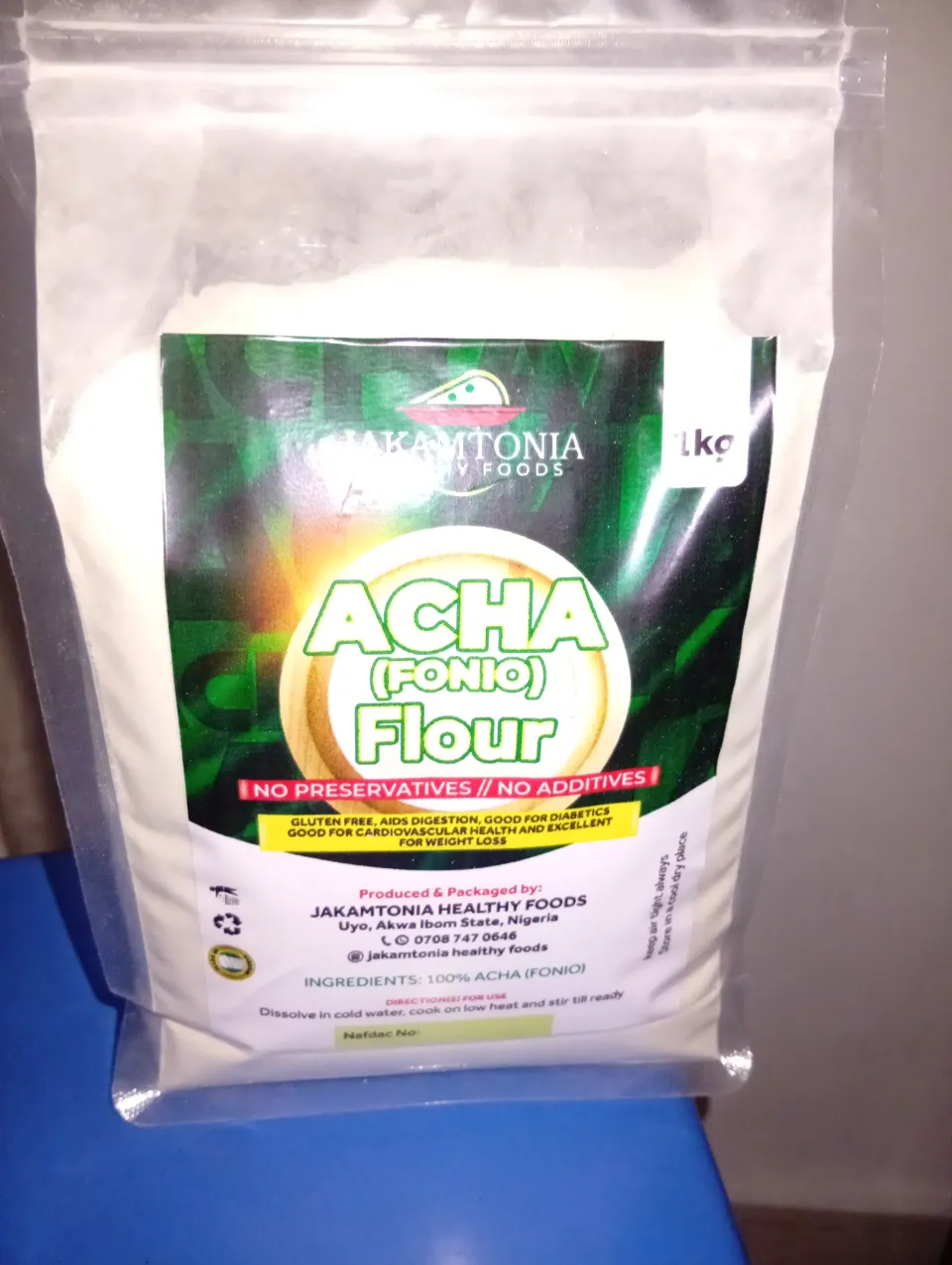
- Prioritise whole healthy Nigerian foods: eggs, vegetable soup, moimoi, fruits, acha grain.
- Meal prep one pot of soup/stew to avoid daily overwhelm.
Nutrient-rich foods (leafy greens, fermented foods, seeds) support gut-brain health, which research links to better mood and stress regulation [4].
Also read about Autism Nutrition for Nigerian Mothers here.
3. Create a Quiet Space for Yourself:
A dedicated quiet corner, even a chair in your bedroom, will provide emotional regulation and reduce stress. Evidence shows that micro-breaks in calm environments restore focus and improve resilience [5].
Practical ideas:
- Add a candle, Bible verse frame, or journal.
- Tell your family: “When I sit here, please give me 10 minutes.”
“He makes me lie down in green pastures, He leads me beside still waters, He restores my soul.” — Psalm 23:2–3
4. Allow Yourself to Feel Your Feelings:
As a Nigerian mom raising a child with autism, you’ve probably heard people tell you to “be strong.” But always hiding your emotions or bottling them up doesn’t make you stronger; it can quietly harm your mental health[6]. Allowing yourself to feel and express your emotions is part of staying healthy for yourself and your child. Studies reveal that journaling, crying, or expressive writing reduces stress and fosters healing [7].
Practical prompt: “Lord, today I feel ____. Please help me.”
5. Move Your Body; Even If It is for 5 Minutes:
Exercise reduces anxiety, boosts endorphins, and improves mood in caregivers [8]. You don’t need a gym.
Try:
- Walking outdoors with your child.
- Dancing to worship songs.
- Stretching or light chores mindfully.
Look up Simple Home Interventions for Nigerian Moms with Special Needs Children here.
6. Ask for Help and Accept It:
As a Nigerian mom raising a child with autism, you don’t have to carry everything alone. Caregiver burnout eases when you share responsibilities with your spouse, trusted family members, or even support groups, and lean on networks that understand your journey. Allowing others to help doesn’t make you less of a mother; it makes you stronger and more able to show up for your child. [9].
Some Ideas for You:
- Ask a neighbour to run errands for you.
- Join a Nigerian autism mom WhatsApp/Facebook group. Click here for more.
- Accept offers of help without guilt.
“Two are better than one… If either of them falls down, one can help the other up.” — Ecclesiastes 4:9–10
7. Rest Without Guilt:
If you’re a Nigerian mom caring for an autistic child, chances are your sleep is often disrupted. Prioritising healthy sleep habits is not selfish; it’s a vital part of keeping both you and your child well [10].
A simple night routine you can adopt as a mom with an autistic child:
- Put away screens 30 minutes before bed.
- Pray Psalm 4:8 (“In peace I will lie down and sleep…”).
- Keep affirmations like: “I am loved. I am chosen. I am doing well.”
Bonus: 7-Day Wholesome Self-Care Challenge for Nigerian Moms Raising Children with Autism
Day 1: Drink 6 glasses of water & speak one affirmation.
Day 2: Take 10 quiet minutes in your prayer space.
Day 3: Call one supportive friend or family member.
Day 4: Walk outside with your child and list 3 gratitudes.
Day 5: Do 5 minutes of stretching/breathing.
Day 6: Journal your feelings to God.
Day 7: Read Psalm 23 and rest early.
Final Thoughts:
You are more than a caregiver; you are a woman, a mother, and a daughter of God. As a Nigerian mom raising a child with autism, it’s easy to forget that truth when daily demands feel overwhelming. But research shows that when moms like you practice intentional self-care, it strengthens resilience, lowers stress, and improves overall quality of life for you and your child. [11].
Don’t wait until you collapse to choose rest. Start small today. The little steps you take will make all the difference.
References
1. Hayes SA, Watson SL. The impact of parenting stress: A meta-analysis of studies comparing the experience of parenting stress in parents of children with and without autism spectrum disorder. J Autism Dev Disord. 2013;43(3):629–42.
2. Anderson T, et al. Religious coping, stress, and mental health in caregivers. Psychology of Religion and Spirituality. 2015;7(2):111–22.
3. Jansen E, et al. Caregivers’ eating habits and stress levels. Appetite. 2017;117:196–203.
4. Li Q, Zhou JM. The microbiota–gut–brain axis and its potential therapeutic role in autism. Front Cell Neurosci. 2016;10:120.
5. Kaplan S. The restorative benefits of nature: Toward an integrative framework. J Environ Psychol. 1995;15(3):169–82.
6. Pennebaker JW. Expressive writing in emotional health. Psychol Sci. 1997;8(3):162–6.
7. Smyth JM. Written emotional expression: Effect sizes, outcome types, and moderating variables. J Consult Clin Psychol. 1998;66(1):174–84.
8. Biddle SJH, Asare M. Physical activity and mental health in children and adolescents: A review. Br J Sports Med. 2011;45(11):886–95.
9. Hartley SL, Schultz HM. Support needs of mothers of children with autism. J Autism Dev Disord. 2015;45(3):620–36.
10. Gallagher S, Phillips AC, Carroll D. Parental stress is associated with poor sleep quality in parents of children with developmental disabilities. J Pediatr Psychol. 2010;35(7):728–37.
11. Weiss JA, Robinson S, Fung S, et al. Family resilience and self-care in autism parenting. Res Autism Spectr Disord. 2013;7(11):1508–14.
Download Free Guide





Dr. Chisom Pascaline, MBBS, IBCCES Certified Autism Specialist (CAS), is a medical doctor, autism specialist, and founder of Autism Parenting in Nigeria - A widely accessed autism education platform serving thousands of families monthly, trusted across Africa.
She has been a guest contributor to BellaNaija, Lagos Mums, Exceptional Needs, and Health Guide Nigeria, and has been recognized and featured by The Sun Nigeria for her...