
Step-by-Step Guide to Preparing GFCF Meals with Nigerian Ingredients
—Helping Your Autistic Child One Meal at a Time
Introduction
Raising a child with autism in Nigeria comes with unique challenges—especially when it comes to diet. Like many parents, I was overwhelmed when I first heard about the GFCF diet (Gluten-Free Casein-Free). But as I gradually adjusted my son’s meals using local Nigerian ingredients, I began to see improvements—in focus, mood, sleep, and even digestion.
In this detailed guide, I’ll walk you through what the GFCF diet is, why it's beneficial for children with autism, practical Nigerian food swaps you can try, and a step-by-step approach that won’t overwhelm you or your child.
What Is the GFCF Diet?
The GFCF diet eliminates all foods containing gluten (a protein found in wheat, barley, rye) and casein (a protein in dairy products).
These proteins are thought to be poorly digested in some children with autism, producing opioid-like compounds that affect brain function, behavior, and mood[1].
Why Try a Restricted Diet for Autism?
1. Improved Behavior & Focus
Children on the spectrum often experience improvements in communication, attention span, and tantrums after removing gluten and casein[2][3].
2. Better Gut Health
Many children with autism have underlying digestive issues—leaky gut, bloating, constipation—which improve with dietary changes[4].
3. Reduced Inflammation
Gluten and casein are known to trigger inflammation in sensitive individuals[5]. Removing them helps calm the immune system.
4. Support for the Gut-Brain Axis
The gut and brain are deeply connected. A healthy gut improves neurotransmitter production, mood, and cognition[6].
Other Restricted Diets in Autism
While the GFCF diet is a common starting point, other diets used to support children with autism include:
Diet What It Removes Why It's Used
SCD (Specific Carbohydrate Diet) Complex carbs, grains, starches Supports gut healing
GAPS (Gut and Psychology Syndrome) All grains, processed foods, starches Promotes gut flora balance
Paleo Grains, legumes, dairy, sugar Anti-inflammatory
Low Oxalate High-oxalate foods Helps reduce irritability, yeast
Feingold Diet Artificial additives, preservatives Improves hyperactivity and focus
Disclaimer: These diets are therapeutic and should be supervised by a nutritionist or integrative doctor. Never self-restrict your child’s food without guidance.
Why Nigerian Children with Autism Need GFCF Awareness
In Nigeria, we often rely heavily on bread, pasta, dairy, noodles, pap, custard, and snacks—many of which contain gluten or casein. Unfortunately, these staples can aggravate symptoms in sensitive children.
The GFCF diet is still not widely practiced in Nigeria due to:
Lack of awareness
Poor access to alternatives
Misconceptions around autism and nutrition
Budget and electricity constraints
But with creativity and support, it is possible to make delicious, affordable GFCF meals right from your Nigerian kitchen.
Step-by-Step Guide to Starting the GFCF Diet
Step 1: Remove Milk and Dairy (Casein)
Casein is found in:
Cow milk (Nunu)
Yogurt
Cheese (Pizza, shawarma)
Margarine, butter
Processed foods like Milo, custard, ice cream
Healthy Dairy-Free Alternatives:
Regular Item Alternative
Cow milk Coconut milk, tigernut milk, almond milk
Yogurt Dairy-free yogurt (coconut-based)
Custard Pap made with millet, oats, acha
Ice cream Frozen banana & coconut blends
Butter Use avocado, olive oil, or nut butters
Tip: Begin with removing all dairy for 2–4 weeks and observe changes in behavior, sleep, and stool.
Step 2: Remove Gluten (Wheat, Barley, Rye)
Common Gluten Sources in Nigeria:
Bread
Noodles/Spaghetti
Pasta
Wheat flour snacks (meat pie, buns, doughnuts, chinchin)
Shawarma wraps
Indomie
Healthy Gluten-Free Swaps:
Gluten Item GFCF Swap
Bread Oatmeal bread, almond flour bread, fonio (acha) bread
Meat pie & Puff puff Rice flour or plantain flour pastry
Chin chin Coconut flour or almond flour chinchin
Shawarma Wrap with gluten-free flatbread made from cassava, rice flour
Cakes Banana flour, tigernut flour cakes
Pasta Brown rice spaghetti, sweet potato noodles, fonio spaghetti
Fufu (safe) Garri, pounded yam, plantain fufu, millet fufu
Note: Always check flour labels. Some oats are cross-contaminated with gluten unless labeled “gluten-free.”
Step 3: Replace with Homemade, Nourishing Nigerian Foods
Instead of store-bought, wheat-filled snacks, build a new menu around home-prepped, naturally GFCF options.
Sample Meals:
Breakfast: Tigernut pap + homemade coconut milk
Lunch: Rice + vegetable sauce + meatballs made with rice flour
Dinner: Sweet potato porridge + egg or grilled fish
Snacks: Homemade banana bread (no wheat), roasted plantain chips, fruit smoothies, almond flour chin chin
Snacks You Can Make:
Plantain chips (oven baked)
Tigernut cookies (flourless)
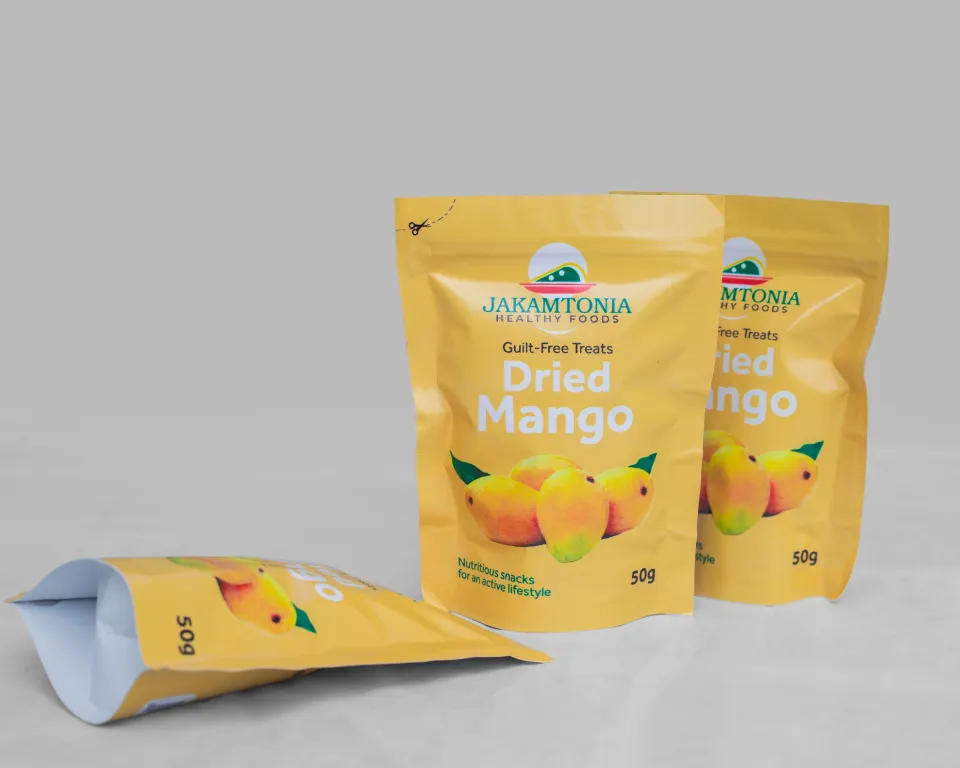
Dehydrated fruit rolls (with pineapple, mango, etc.) like in the image above.
Coconut candy (natural sweetener only)
Nigerian-Inspired GFCF Recipes
Almond Flour Banana Bread
2 cups almond flour
3 ripe bananas mashed
2 eggs
1 tsp baking soda
Coconut oil for greasing
Mix and bake for 35 mins at 180°C. Store in fridge.
Meatballs without Wheat
Minced beef or chicken
1 grated onion
Spices: ginger, garlic, curry
1 tbsp gluten -free flour
Mix, roll into balls, and grill or fry.
Fonio Salad Bowl
1 cup cooked fonio
Chopped vegetables
Olive oil dressing
Grilled chicken cubes
Tasty and child-friendly, great for lunch boxes!
How to Make the Transition Easier
- Start Slowly
Do one thing at a time. Remove dairy first, then gluten after 2–4 weeks.
- Involve Your Child
Make them part of the cooking process. Let them taste new foods before switching.
- Use Familiar Textures
If your child loves puff-puff, try a baked sweet potato ball instead—same shape, different ingredients.
- Batch Cook & Freeze
Prepare foods like coconut milk, banana bread, meatballs in batches. Freeze for easier meal planning.
- Join Food-Sharing Communities
Split the cost of bulk items (e.g. chicken, vegetables) with other families of children with special needs.
Will the GFCF Diet Work for Every Child?
Not necessarily. Every child is different. Some children improve dramatically, others show mild or no change. However, up to 60% of children with autism show measurable improvement in behavior and digestion with the GFCF diet[^7].
Always speak to your doctor or nutritionist before beginning any new diet, especially if your child has feeding issues or is underweight.
Also read autism diet plan for Nigerian Children
Read Healthy Nigerian food ideas for sensory needs.
Read
References
1. Reichelt KL, Knivsberg AM. Can the pathophysiology of autism be explained by the nature of the discovered urine peptides? Nutr Neurosci. 2003;6(1):19–28.
2. Elder JH, Shankar M, Shuster J, et al. The gluten-free, casein-free diet in autism: results of a preliminary double blind clinical trial. J Autism Dev Disord. 2006;36(3):413–20.
3. Whiteley P, Haracopos D, Knivsberg AM, et al. The ScanBrit randomized, controlled, single-blind study of a gluten- and casein-free dietary intervention for children with autism spectrum disorders. Nutr Neurosci. 2010;13(2):87–100.
4. de Magistris L, Familiari V, Pascotto A, et al. Alterations of the intestinal barrier in patients with autism spectrum disorders and in their first-degree relatives. J Pediatr Gastroenterol Nutr. 2010;51(4):418–24.
5. Fasano A. Leaky gut and autoimmune diseases. Clin Rev Allergy Immunol. 2012;42(1):71–8.
6. Mayer EA, Tillisch K, Gupta A. Gut/brain axis and the microbiota. J Clin Invest. 2015;125(3):926–38.
7. Pennesi CM, Klein LC. Effectiveness of the gluten-free, casein-free diet for children diagnosed with autism spectrum disorder: Based on parental report. Nutr Neurosci. 2012;15(2):85–
Have you tried removing dairy or gluten in your child’s diet? What changes did you notice?
➡️ Leave a comment below and share your experience.
➡️ Download my free GFCF Nigerian shopping list (coming soon).
➡️ Follow on Instagram [@autismparentingblog] for meal ideas, tips, and encouragement.
Together, we can raise healthy, happy children with autism—one meal at a time.
Disclaimer
This blog post is for informational purposes only and is based on personal experience combined with research. It is not a substitute for medical advice. Always consult with your child’s pediatrician or nutritionist before making dietary changes.

Dr. Doris Dominic is a medical doctor, autism health educator and health content writer who provides relatable guidance on autism spectrum disorder (ASD), early signs of autism, developmental delays, speech development, behavioral challenges, sensory processing, and nutrition for children with autism. She translates complex medical information into practical, actionable strategies to support early intervention and informed...