
How I Helped My Non-Verbal Autistic Child Start Talking: A Mother’s Testimony of Faith, Diet, and Determination
When I first heard that my child might never speak, I felt like the world around me stopped. I remember sitting quietly in the car after an evaluation, staring at nothing, asking myself what I could have done differently. My heart broke in ways words couldn’t describe.
I will be honest — it wasn’t easy. I was overwhelmed, scared, and deeply depressed. Watching other children his age speak, sing, and call out to their mothers while mine remained silent was painful. But I also knew that self-pity wouldn’t change anything. I was the only one who could stand in the gap for my child.
So, I made a decision — to stop feeling sorry for myself and start seeking solutions. I prayed to God for strength and direction, and I asked Him to bless every effort I made. I told Him, “Lord, I desperately want to hear the word ‘Mom.’ Even if it’s once, I will testify to Your glory.”
This is my first child — a child I specifically prayed for. I remembered the scripture that says the blessing of the Lord makes rich and adds no sorrow with it. I knew that the child God gave me was not a mistake. Children are a heritage from the Lord; before he was even conceived, God already knew him. I held onto that faith as I began our journey toward hope and healing.
The Turning Point — From Desperation to Determination
Faith alone wasn’t all I had — I also needed to act. I started reading, researching, and connecting with other parents of children with autism. I watched videos late into the night and prayed for clarity on what direction to take.
That was when I discovered different approaches like the Son-Rise Program, the Nemechek Protocol, and stories of parents who had seen progress through diet and therapy. I decided to combine prayer with practical action.
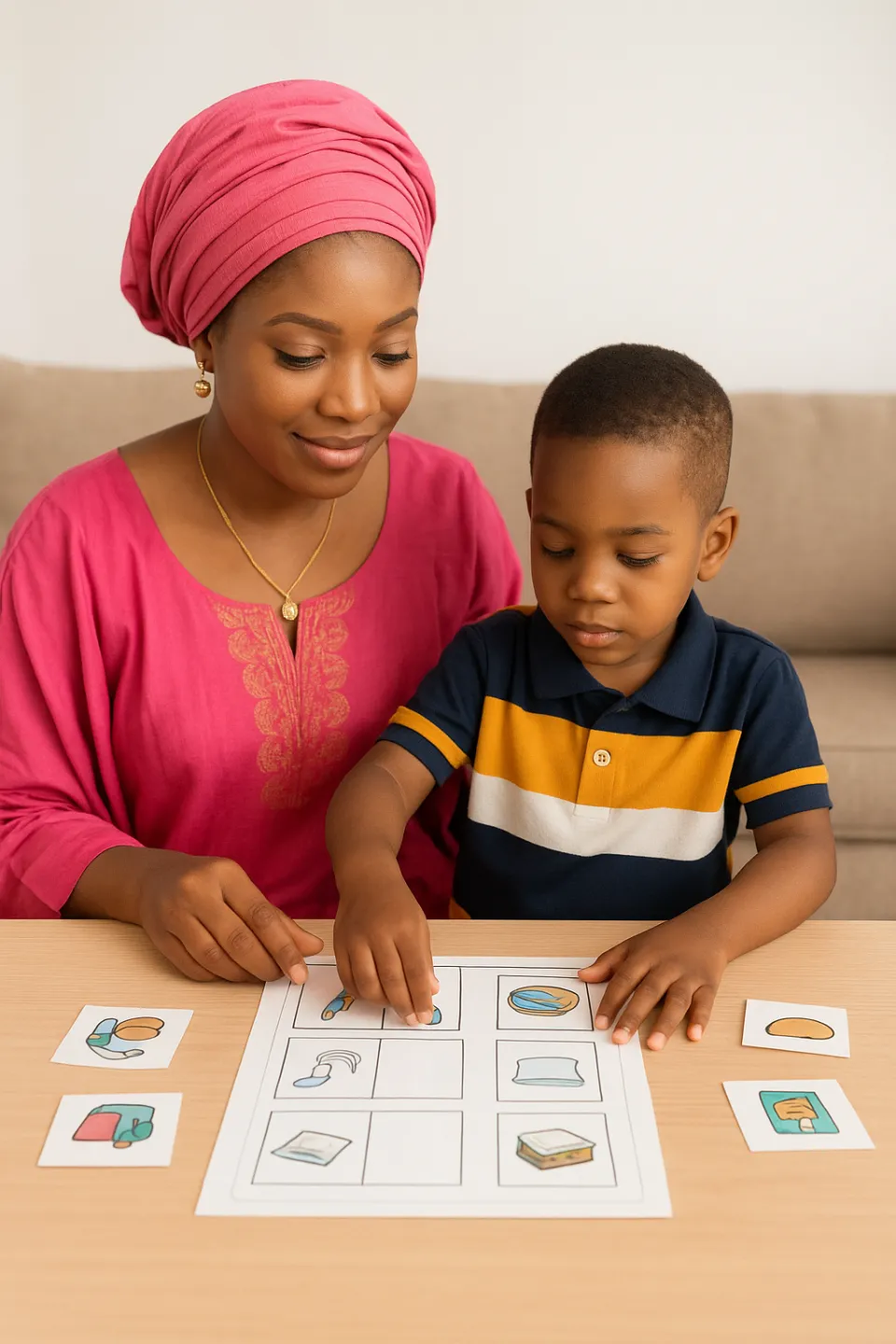
I began by enrolling my child in speech therapy. The first few sessions were hard — he cried, refused to sit still, and sometimes ignored the therapist completely. But gradually, I noticed tiny shifts. He began paying attention, making sounds like “oooh,” “ball,” “up,” “bye,” and slowly began to connect words with meaning.
Those small sounds were my biggest victories. Every word felt like a miracle.
The Power of Therapy and Connection
In addition to speech therapy, we also tried principles from the Son-Rise Program, which emphasizes love, acceptance, and joining the child’s world. Instead of forcing him to communicate, I learned to connect. I followed his lead — if he spun toys, I spun them too. If he hummed, I hummed along.
That approach built a bridge between us. Soon, he began noticing me more. He started responding when I called his name, making eye contact, and even laughing with me. Therapy wasn’t just about speech — it was about trust, love, and connection.
Nemechek Protocol — Supporting the Gut and Brain
I also learned about the Nemechek Protocol, a biomedical approach focusing on brain inflammation and gut health. It involved simple things like omega-3 fatty acids, inulin (for gut bacteria), and olive oil. I followed it carefully and prayerfully, watching for changes.
Over time, I noticed subtle but meaningful improvements — he became calmer, more focused, and more aware of his environment. Though the progress was steady and not dramatic, I knew healing was happening from within.
Dietary Interventions — Healing from the Inside Out
After reading about the connection between the gut and the brain, I decided to take a closer look at his diet. I started eliminating certain trigger foods — gluten, casein, and processed sugars. It was challenging at first because Nigerian diets are naturally heavy in bread, noodles, and milk-based foods.
But as I made these changes, the results were worth it. His appetite improved, his sleep became deeper, and his bowel movements normalized. He was less irritable, tolerated haircuts and brushing better, and even began enjoying hugs. His sensory sensitivities reduced drastically.
We moved toward a mild GAPS-inspired diet — more whole foods, soups, meats, and vegetables. I introduced homemade probiotics like fermented carrots, beet kvass, and sauerkraut, all made in my kitchen. These simple natural foods made a visible difference.
Soon, his digestion improved, his skin cleared up, and his energy stabilized. He began gaining healthy weight, sleeping through the night, and staying alert during the day. I could see his body healing — and with it, his brain.
Milestones That Melted My Heart
As his body and mind began to thrive, I started noticing new behaviors. He could now tolerate haircuts without screaming, brush his teeth with minimal help, and sleep peacefully.
He began responding when called, performing mini errands around the house, and interacting more with peers. One of my biggest victories was full potty training — a milestone that once felt impossible.
He was now eating well, looking healthier, and showing confidence I hadn’t seen before.
When Speech Took Flight
While progress was steady, I wanted to see a language breakthrough — full sentences, reading, and writing. I knew he was capable; he just needed the right spark.
That spark came when I introduced Geminii Learning, an interactive program that combines visuals, audio, and reading activities designed to boost language comprehension.
Within weeks, I noticed a language explosion. His vocabulary expanded dramatically — he began naming objects, describing actions, and even forming short sentences.
It was like a door had been unlocked.
His teachers started noticing too. He participated more during lessons, could read short sentences, and followed instructions more clearly. Each time I heard his voice grow stronger, I remembered my promise to God — that I would testify.
My Foray into Biomedical Interventions
As a desperate but determined mother, I kept exploring every safe option that might support his progress. I tried biomedical supplements like DMG, TMG, methyl-B12, and Leucovorin — each known to support speech and brain function in some children with autism.
Though I didn’t see any dramatic or “wow” improvement, I did learn something profound: the active compound in TMG (trimethylglycine) comes naturally from beetroot.
That discovery made me realize that nature often provides what our children need. Instead of focusing on pills, I began emphasizing nutrition first — whole foods, vegetables, iron-rich beets, and natural sources of vitamins and minerals.
That decision not only supported his continued progress but also restored balance to our family’s eating habits. Nutrition became our first medicine.
Faith as the Foundation
Throughout this journey, my faith remained unshaken. There were days I felt tired, frustrated, and uncertain — but I held onto God’s promises.
I remembered that God’s blessings add no sorrow, that children are His gift, and that He cannot give bread and replace it with a stone.
Each time doubt crept in, I reminded myself that God had already ordained my son’s destiny before he was born.
Faith didn’t replace therapy or diet — it strengthened them. It gave me peace when progress was slow and gratitude when breakthroughs came.
Looking back, I realize that faith and science work beautifully together when guided by love and persistence.
Where We Are Today
Today, my son is in a mainstream school, learning alongside other children. He is thriving — speaking, reading, writing, and understanding more each day. He still attends extra lessons and needs occasional support, but the difference between then and now is incredible.
From being completely non-verbal, he now expresses his feelings, tells stories, and even cracks little jokes. Every time he says “Mom,” I still pause, remembering how far we’ve come.
I no longer see autism as a curse or tragedy — it’s a journey of faith, patience, and growth. Through it, I’ve learned resilience, compassion, and unconditional love.
Lessons I Learned Along the Way
Here are a few lessons that may encourage other parents walking this same path:
1. Never stop believing in your child.
Progress may be slow, but every small gain counts. Children understand far more than we think.
2. Faith and science are not enemies.
Prayer opens doors, but we must also act. Combine faith with therapy, diet, and consistent effort.
3. Nutrition matters more than we realize.
A healthy gut supports a healthy brain. Start with real food — what your child eats can change everything.
4. Celebrate small victories.
From eye contact to babbling to one-word speech — celebrate it all. Those moments build confidence and connection.
5. Community support helps.
Find other parents who understand. Their stories can inspire you when you feel alone.
6. Stay patient and positive.
Healing is rarely instant. Focus on progress, not perfection.
For Parents Starting This Journey
If you’re reading this and your child is still non-verbal, please don’t lose hope. I was once there too — crying, searching, and praying for a miracle. But remember: progress is possible.
Every child has potential, and every effort counts. Whether it’s therapy, dietary changes, or prayer, consistency is key.
Start small. Observe your child. Celebrate connection before correction. And most importantly, never give up.
Your child’s voice may be silent for now, but it’s growing stronger with every loving effort you make.
Final Reflection
As I look back, I realize this journey was never just about helping my child talk — it was about transformation. My son found his voice, but so did I.
I discovered purpose in advocacy, strength in prayer, and grace in patience. God indeed answers prayers — sometimes through doctors, therapists, diet changes, or even the quiet nudges of the Holy Spirit reminding us to keep going.
If you’re on this journey, know that your child is not broken. He or she is beautifully unique and capable of growth, learning, and love.
Keep praying, keep trying, and keep believing — because breakthroughs often come quietly, one “Mom” at a time.
You may also like:
[Affordable Autism Therapy Options in Nigeria]
[How to Start a GFCF Diet for Nigerian Children]
[How to know your child has autism]
Disclaimer
The content shared on this platform is intended for educational and informational purposes only. It should not replace personalized medical advice, diagnosis, or treatment from your healthcare provider. Neither APIN nor the writer will be responsible for outcomes.
Every child with autism is unique — and results may vary from one individual to another. Please consult your pediatrician or qualified healthcare professional before starting any therapy, supplement, or dietary intervention discussed here.
This post may contain affiliate links, meaning APIN may earn a small commission — at no extra cost to you — if you make a purchase through those links. These commissions help us continue creating trusted, research-based resources for parents without influencing our recommendations.
Dr. Doris Dominic is a medical doctor, autism health educator and health content writer who provides relatable guidance on autism spectrum disorder (ASD), early signs of autism, developmental delays, speech development, behavioral challenges, sensory processing, and nutrition for children with autism. She translates complex medical information into practical, actionable strategies to support early intervention and informed...