

Signs Your Child Is a Sensory Seeker: 15 Common Behaviors Parents Should Know
Have you ever wondered why your child is always jumping on the couch, spinning in circles, crashing into furniture, chewing on clothes, or constantly touching everything around them?
These behaviours can be confusing, frustrating, and even worrying for parents. However, in many cases, they may be signs that your child is a sensory seeker.
Sensory seeking is common among autistic children, although it can also occur in children with other developmental conditions or even in some typically developing children. Understanding why these behaviours happen can help you respond with empathy and choose strategies that support your child's development.
In this guide, we'll explain what sensory seeking is, the most common signs to look out for, and practical ways to help your child.
Read our earlier article on sensory issues here.
What Does It Mean to Be a Sensory Seeker?
A sensory seeker is someone who actively looks for extra sensory input because their nervous system craves more stimulation.
Instead of avoiding movement, touch, sound, or pressure, sensory seekers often enjoy these experiences and may seek them throughout the day.
For example, a sensory-seeking child may:
- Jump repeatedly
- Spin for long periods
- Climb furniture
- Crash into cushions
- Chew pencils or clothing
- Touch everything they see
- Love rough-and-tumble play
These behaviours are not usually "bad behaviour." They are often the child's way of meeting a sensory need.
Why Do Some Children Seek Sensory Input?
Our brains constantly receive information through our senses, including touch, movement, body position, sound, sight, smell, and taste.
Some children's brains need stronger or more frequent sensory input before they feel calm, organised, or focused. As a result, they naturally seek activities that provide that input.
Recognising these needs can help parents replace unsafe behaviours with safer, more appropriate alternatives.
15 Signs Your Child May Be a Sensory Seeker
1. They Love Spinning
 Some children can spin for several minutes without becoming dizzy.
They may enjoy:
- Spinning on office chairs
- Twirling in circles
- Riding merry-go-rounds repeatedly
This often reflects a desire for movement-based sensory input.
2. They Are Always Jumping
 Jumping on beds, sofas, trampolines, or the floor may help children satisfy their need for movement and body awareness.
3. They Crash Into Furniture
Does your child intentionally throw themselves onto cushions, beds, or beanbags?
They may be seeking deep pressure input, which can feel calming and organising.
4. They Climb Everything
Tables, cupboards, playground equipment, and even kitchen counters can become climbing opportunities for sensory seekers.
5. They Chew on Non-Food Items
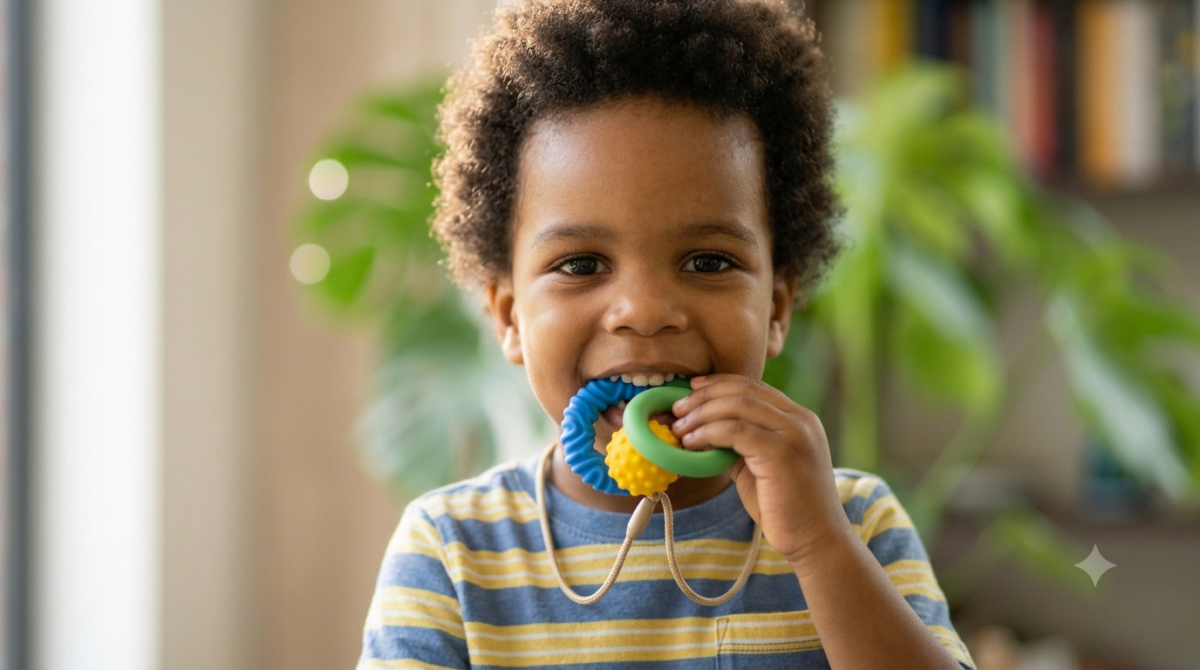 Many sensory seekers chew on:
- Shirts
- Sleeves
- Pencils
- Toys
- Fingers
This may indicate a need for oral sensory input. Safe alternatives, such as silicone chewelry, can help meet this need.
6. They Constantly Touch Objects
Your child may feel the need to touch every surface, fabric, or object they encounter.
Exploring different textures helps satisfy their sensory curiosity.
7. They Love Tight Hugs
Some children actively seek firm hugs, heavy blankets, or being wrapped tightly in blankets because deep pressure feels calming.
8. They Enjoy Rough-and-Tumble Play
Activities like wrestling, pillow fights, and rolling on soft mats may provide the movement and pressure they enjoy.
9. They Can't Sit Still
Instead of remaining seated, they may:
- Wiggle constantly
- Bounce their legs
- Rock in their chair
- Stand frequently
Movement may help them stay alert and focused.
10. They Seek Fast Movement
They often enjoy:
- Swings
- Slides
- Roller coasters
- Bicycle rides
- Running
These activities provide strong vestibular (movement) input.
11. They Like Carrying Heavy Objects
Some children enjoy moving chairs, pushing baskets, carrying groceries, or pulling laundry baskets because these activities provide "heavy work," which can be calming.
12. They Make Loud Noises
Your child may:
- Hum
- Scream
- Repeat sounds
- Bang objects together
Sometimes this is a way of exploring auditory input.
13. They Love Water Play
Long baths, swimming, splashing, or playing with water may provide enjoyable sensory experiences.
14. They Seek Bright Lights or Moving Objects
Some children are fascinated by:
- Ceiling fans
- Flashlights
- Bubble tubes
- Lava lamps
- Spinning toys
Visual sensory input can be highly engaging.
15. They Repeat Certain Movements
Rocking, hand flapping, pacing, or spinning objects may help some children regulate themselves when excited, anxious, or overwhelmed.
Does Being a Sensory Seeker Mean My Child Has Autism?
No.
Sensory seeking alone does not mean a child is autistic.
However, sensory processing differences are very common among autistic individuals. If your child also has challenges with communication, social interaction, or repetitive behaviours, it's important to discuss your concerns with a qualified healthcare professional.
How Can Parents Help?
Rather than trying to stop sensory-seeking behaviours completely, it's often more helpful to provide safe and appropriate alternatives.
Examples include:
- Fidget toys
- Sensory balls
- Therapy putty
- Trampolines (with supervision)
- Balance boards
- Chewelry
- Weighted lap pads (when appropriate)
- Sensory swings
- Heavy-work activities such as pushing, pulling, or carrying objects
An occupational therapist can also assess your child's sensory profile and recommend personalised strategies.
When Should You Seek Professional Advice?
Consider seeking an assessment if your child's sensory-seeking behaviours:
- Interfere with learning
- Affect daily routines
- Create safety concerns
- Cause frequent meltdowns
- Lead to injuries
- Make participation at home or school difficult
Early support can make a meaningful difference in helping your child develop skills and participate more comfortably in everyday activities.
Conclusion
Sensory-seeking behaviours are often your child's way of communicating a need—not a sign of stubbornness or poor behaviour.
By understanding what drives these behaviours and providing safe opportunities for sensory input, you can help your child feel calmer, more regulated, and better able to engage in daily life.
Every child is unique. What works for one child may not work for another, so observation, patience, and professional guidance are key.
Frequently Asked Questions
What is a sensory seeker?
A sensory seeker is a child or adult who actively looks for extra sensory experiences such as movement, deep pressure, touch, or oral input because these sensations help them feel regulated.
Is sensory seeking normal?
Many young children seek sensory experiences as they explore the world. When sensory-seeking behaviours are intense, frequent, or interfere with daily life, they may benefit from professional assessment and support.
Can sensory seeking improve over time?
Yes. With age, experience, supportive environments, and appropriate interventions, many children learn effective ways to regulate their sensory needs.
Which toys are best for sensory seekers?
Popular options include fidget toys, therapy putty, textured balls, sensory swings, balance boards, chewelry, and other tools selected to match the child's individual sensory preferences.
Related Articles
- Best Sensory Toys for Autism in Nigeria
- 10 Sensory Play Ideas for Sensory Seekers
- How to Design a Visual Schedule for Autism
- How to Create a Sensory Corner at Home
- Healthy Nigerian Snacks that are Sensory -friendly

Dr. Doris Dominic is a medical doctor, autism health educator and health content writer who provides relatable guidance on autism spectrum disorder (ASD), early signs of autism, developmental delays, speech development, behavioral challenges, sensory processing, and nutrition for children with autism. She translates complex medical information into practical, actionable strategies to support early intervention and informed...