
Rita Chidinma Ginikanwa is a seasoned parent educator, writer, and counselor passionate about creating resources that empower families and communities. She contributes regularly to platforms such as Autism Parenting in Nigeria , blending research-based insights with empathy and clarity to support parents and caregivers on their journey.
As founder of Young Nigerian Mom , a thriving faith-based community of over 97,000 parents, Rita produces parenting guides, discipleship materials, and thought-leadership content that inspires intentional living. She also runs Mompreneur Assistant, a social media agency helping brands and mothers communicate their value with impact.
Through her writing, counseling, and coaching, Rita equips families to thrive emotionally, spiritually, and practically, with a focus on child development, autism parent support, and holistic family wellbeing.
You can follow her social media handles: @ Young Nigerian Mom
Rita Ginikanwa's posts
When Autism Changes Your Marriage: How Couples Can Stay Connected While Raising a Child with Autism

Why Some Autistic Children Eat Only White or Beige Foods A Complete Guide to Understanding White Food Preference, Food Selectivity, and How Parents Can Encourage a More Varied Diet

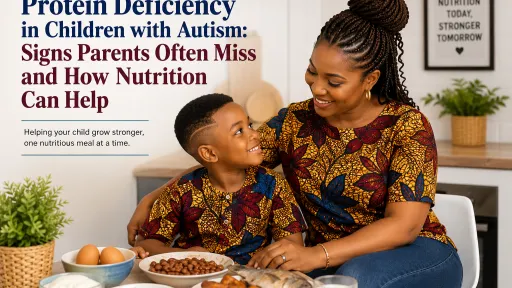
Protein Deficiency in Children with Autism: Signs Parents Often Miss and How Nutrition Can Help
Best Nigerian Foods for Children with Autism: A Parent's Guide to Healthy Eating

Why Many Children with Autism Are Picky Eaters

Picky eating in autism is often about much more than stubbornness. Sensory sensitivities, texture, smell, temperature, routine, anxiety, oral-motor difficulties, medical discomfort, and communication challenges can all affect how a child experiences food.
In this practical guide for parents in Nigeria, we explore why food selectivity happens, how Nigerian meals may present unique sensory challenges, what parents should avoid, and gentle, practical ways to support a child who struggles with eating. Most importantly, this article reminds parents that food refusal is not necessarily defiance and that you are not failing your child.
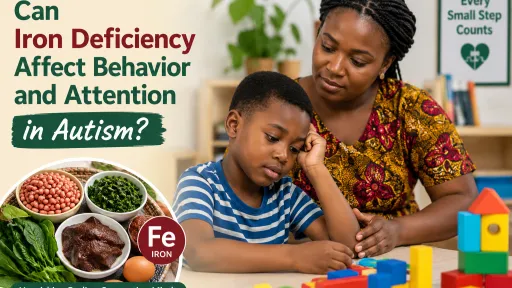
Can Iron Deficiency Affect Behavior and Attention in Autism?
Autism-Friendly Christmas: How to Create Calm, Joyful, and Memorable Holiday Traditions for Autistic Children

From managing sensory needs to creating personalised family traditions, this guide makes Christmas smoother and more memorable for everyone.
Raising More Than One Autistic Child: A Mother’s Guide to Courage, Support, and Thriving Together

This article explores early signs, parenting challenges, and the importance of a strong support system for families on the autism spectrum.
Celebrating Fathers of Autistic Children: The Silent Strength Behind Neurodivergent Families

Discover why their contributions matter and how society can better support fathers with autistic children.
Changing the Narrative: How Nigerian Media Can Fight Autism Stigma

Dear Mom, It’s Not Your Fault: Overcoming Mom Guilt After an Autism Diagnosis

Teaching Money Skills to Children on the Autism Spectrum: A Practical Guide for Nigerian Parents

Learn practical ways to build financial literacy, confidence, and independence through everyday experiences.
Autism Parenting in Nigeria: Myths, Facts, and Real Stories

It highlights the challenges shaped by cultural beliefs and stigma, while emphasing the need for awareness, acceptance, and community support.
The Bane of Autism Parenting in Nigeria: Challenges We Don’t Talk About

This article explores the bane of autism parenting in Nigeria, the silent struggles families endure daily, while also highlighting the small but powerful lights of hope emerging through diverse means.
Raising a Child with Autism in Nigeria: A Mother’s Guide to Balance and Growth