

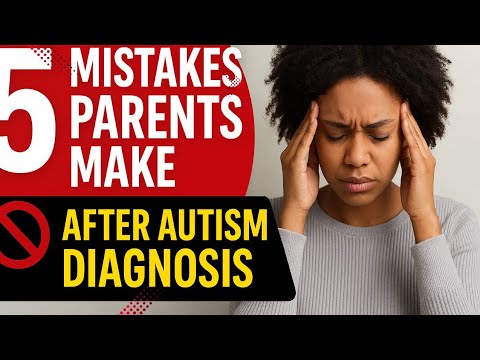
5 Mistakes Nigerian Parents Make After an Autism Diagnosis (and How to Avoid Them)
Receiving an autism diagnosis for your child can feel devastating. Many parents describe it as one of the hardest moments of their lives. In Nigeria, where autism awareness is still limited and resources are scarce, parents often find themselves confused, overwhelmed, and unsure of what to do next.
Unfortunately, in this critical early stage, many parents make mistakes that delay their child’s progress. Early intervention is key when it comes to autism. The sooner a child receives the right support, the better their chances of thriving.
Here are five common mistakes Nigerian parents make after an autism diagnosis—and what you should do instead.
1. Wasting Valuable Time After Diagnosis
For many families, the first response to an autism diagnosis is denial. Relatives and friends may say things like:
“It’s too early, boys develop slower.”
“Just give it time, he will talk later.”
“God forbid, it’s not your portion.”
While these comments may come from a place of comfort, they can be dangerous. Every month wasted is a month your child could have been in therapy making progress.
What to do instead: Accept the diagnosis early, even if it’s painful. While you continue to pray and hope, take practical steps by finding professionals who can help—such as speech therapists, child psychologists, or pediatric neurologists. Prayer plus action is the best approach.

2. Seeking Solutions in Spiritual Homes Instead of Hospitals
Many Nigerian parents, after realizing something is wrong, turn first to spiritualists, deliverance houses, or native doctors. Sadly, this often leads to harmful practices like scarification, unproven herbal remedies, or endless deliverance sessions.
While faith is important, autism is a neurodevelopmental condition—not a curse. Children with autism need structured therapies, not rituals.
What to do instead: Take your child to the hospital for proper evaluation. Consult a speech-language pathologist, developmental pediatrician, child psychiatrist, or neurologist. Spiritual support can continue alongside medical and therapeutic care, but don’t replace one with the other.
3. Over-Relying on Google Instead of Getting Real Therapy
The internet is full of advice about autism. Some of it is helpful, but much of it can be misleading or overwhelming. Parents sometimes spend countless hours “researching” instead of getting their child started in therapy.
What to do instead: Use the internet wisely—for support groups, practical tips, and encouragement. But don’t let it replace therapy. Children with autism need hands-on help like behavioral therapy, occupational therapy, speech therapy, and play-based interventions.
4. Setting Unrealistic Expectations
Parents naturally want the best for their children. In Nigeria, where academic success is highly valued, many parents place extremely high expectations on their child with autism—expecting “quick fixes” or miracles within weeks of therapy.
When progress is slower than expected, parents often feel frustrated, anxious, or even depressed. This frustration can affect both the parent’s mental health and the child’s progress.
What to do instead: Set realistic, achievable goals. Celebrate small milestones—like a new word spoken, improved eye contact, or better tolerance of haircuts. Progress may be slow, but every step matters. With consistent therapy and patience, children can reach their highest potential.
5. Isolating Instead of Seeking Community Support
Another mistake parents make is withdrawing out of shame or fear of stigma. Unfortunately, cultural misconceptions in Nigeria still label autism as “madness” or “spiritual attack.” Many parents hide their children, avoiding social gatherings or school enrollment.
What to do instead: Find and connect with other parents raising children with autism. Join online support groups, parent associations, or community initiatives. Knowing you are not alone provides strength, ideas, and encouragement.
Frequently Asked Questions (FAQs) About Autism in Nigeria
1. Can autism be cured?
No, autism is not something that can be “cured.” It is a lifelong condition. However, with early intervention, therapy, proper diet, and supportive care, children can improve significantly and live fulfilling lives.
2. What is the best age to start autism therapy?
The earlier the better. Research shows that starting therapy before the age of 5 leads to the best outcomes. But therapy can still help older children, teenagers, and even adults. It’s never too late to start.
3. What therapies are available in Nigeria?
Common therapies include:
Speech therapy (to help with communication)
Occupational therapy (to improve daily living and sensory skills)
Applied Behavior Analysis (ABA) therapy
Educational interventions (structured learning support)
Availability may vary depending on the city, but many hospitals and private centers in Lagos, Abuja, Port Harcourt, and Uyo now offer autism services.
4. How much does autism therapy cost in Nigeria?
The cost varies widely depending on the type of therapy and the center. Some private therapy centers charge between ₦20,000 – ₦50,000 per month per session package. While this may be expensive for some families, there are also affordable and home-based strategies parents can learn to support their children.
5. Should I combine prayer with therapy?
Yes, many Nigerian parents find strength and hope in prayer. Faith is important for emotional support, but it should go hand-in-hand with therapy and medical care. Think of it as combining spiritual support with practical action.
Final Thoughts
Raising a child with autism in Nigeria is not easy, especially with limited resources and widespread stigma. But by avoiding these mistakes and taking action early, you give your child the best chance to thrive.
Don’t waste time after diagnosis.
Seek professional help instead of spiritual shortcuts.
Balance Google research with real therapy.
Set realistic goals and celebrate progress.
Connect with a supportive community.
Start small, from what you can do ( for instance, improve diet, sensory plays, reduce screen time and so on)
With faith, patience, and the right interventions, your child can grow, learn, and live a fulfilling life.

Dr. Chisom Pascaline, MBBS, IBCCES Certified Autism Specialist (CAS), is a medical doctor, autism specialist, and founder of Autism Parenting in Nigeria - A widely accessed autism education platform serving thousands of families monthly, trusted across Africa.
She has been a guest contributor to BellaNaija, Lagos Mums, Exceptional Needs, and Health Guide Nigeria, and has been recognized and featured by The Sun Nigeria for her...