
Autism Diet and Nutrition in Nigeria: Why It Matters for Behavior and Management
While this information can be helpful, it's not a substitute for professional medical advice. Always speak with your healthcare provider before making any changes to your child's diet.
When it comes to your child's diet, their health and safety should always be the top priority. Nutrition isn’t just about keeping our bodies healthy; it also has a significant impact on brain function and behavior. Eating well can shape how children think and act, making a balanced diet crucial for every family. For children with autism, diet and nutrition play an even greater role. In fact, research shows that some foods can trigger irritability, lack of focus, or hyperactivity, while others may help improve these behaviors. By exploring autism diet and nutrition in Nigeria, parents can discover practical strategies and meal plans that support better health outcomes. With thoughtful dietary changes, families can find that food becomes a valuable tool in managing autism effectively.
Research suggests that autism spectrum disorder might be linked to gut health and metabolic issues—this is referred to as the gut-brain axis. By understanding the role of diet, Nigerian parents can take a more proactive approach to help their children cope with autism-related challenges [1].
Common Dietary Interventions for Children with Autism in Nigeria
Gluten-Free, Casein-Free (GFCF) Diet
This diet eliminates gluten (found in wheat, barley, and rye) and casein (found in dairy products). The premise is that some individuals with autism may have sensitivities to these proteins, potentially exacerbating behavioral and digestive issues.
A study by Whiteley et al. (2012) reported that a GFCF diet improved behaviors in children with autism who also exhibited gastrointestinal dysfunction. Improvements were noted in language production, eye contact, attention span, and social responsiveness [2].
Nigerian gluten sources: Bread, semolina, pasta, biscuits, puff-puff, chin-chin, wheat flour snacks.
Healthy alternatives:
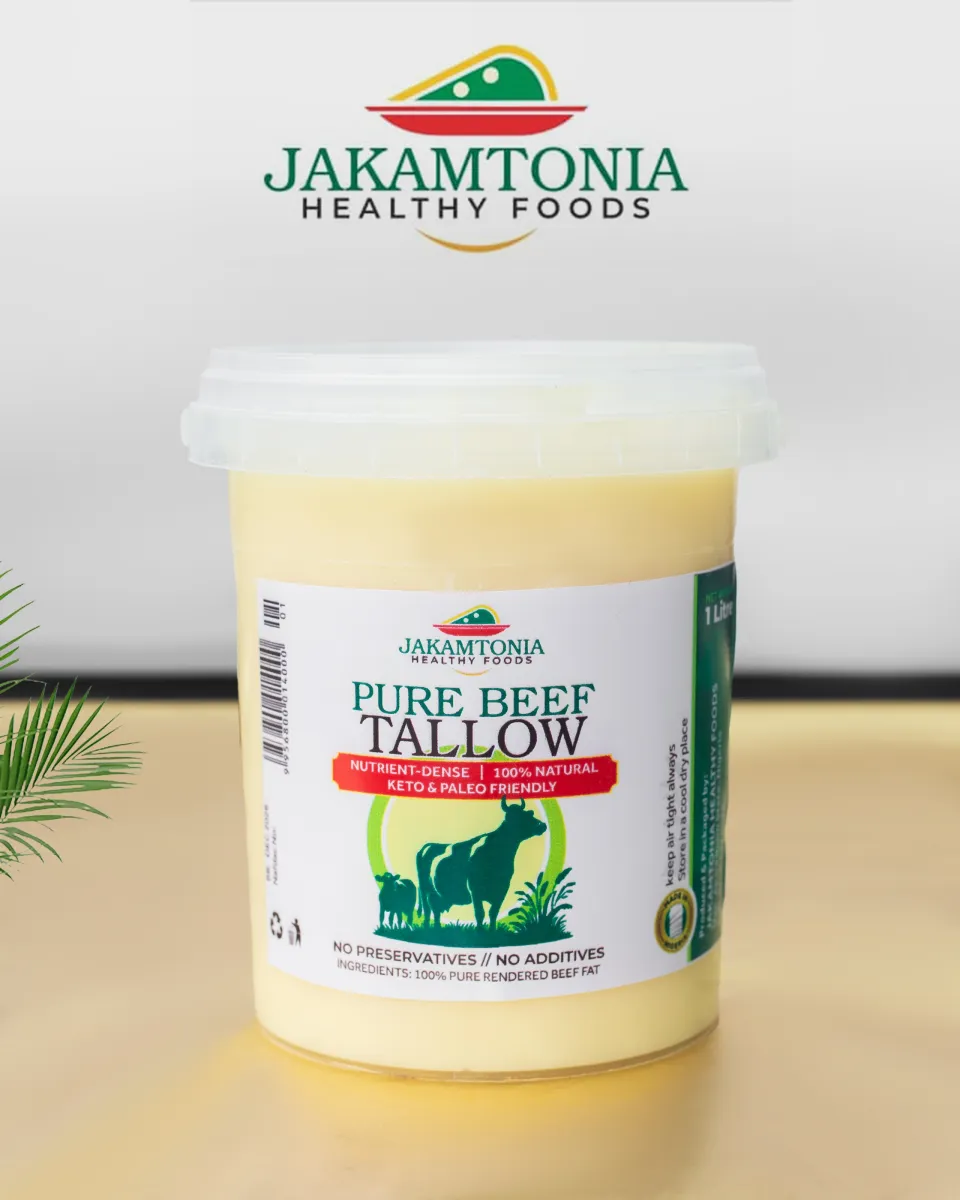
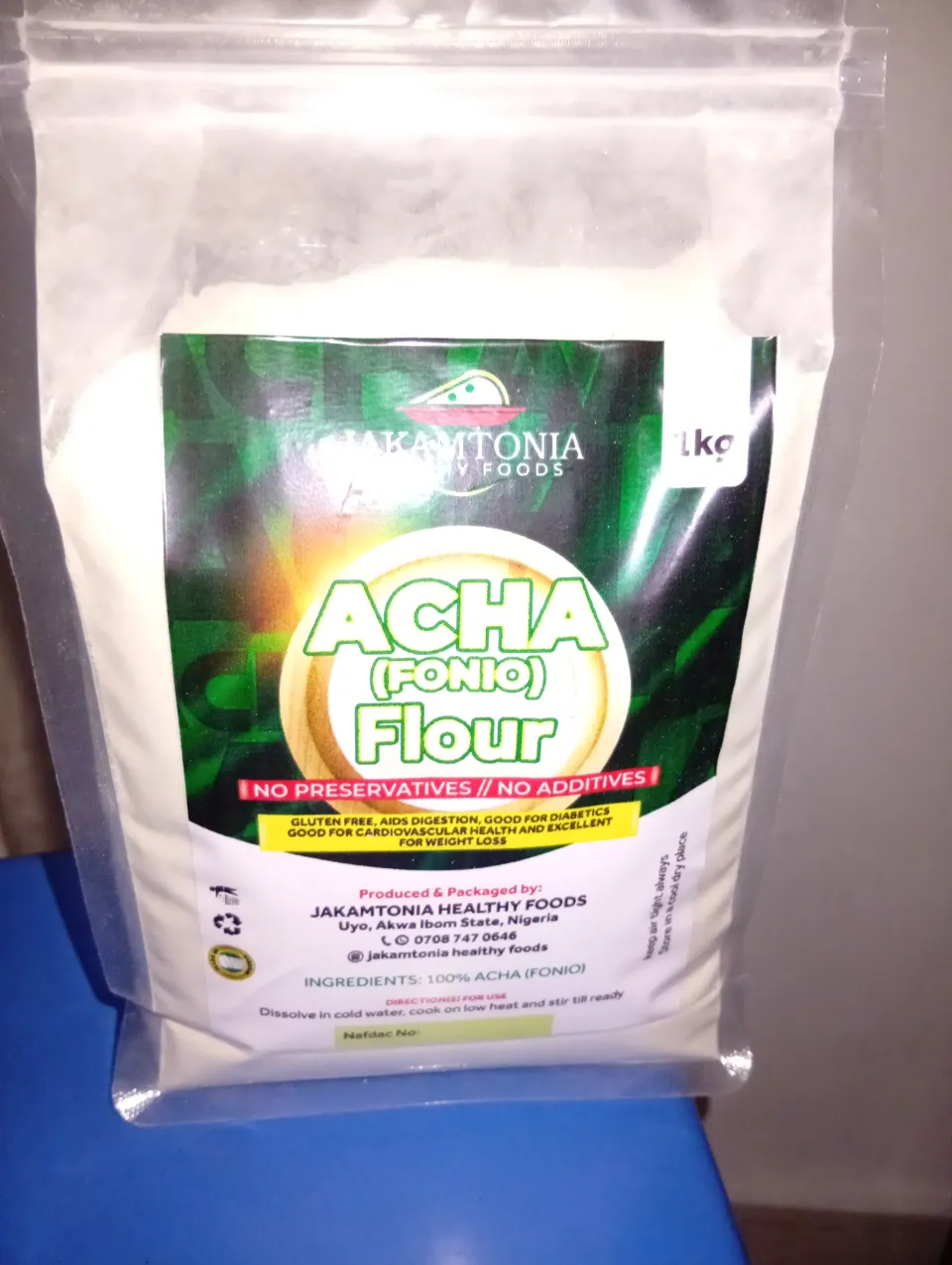
Bread: Almond flour bread, oatmeal bread, acha (fonio) bread
Snacks: Gluten-free chin-chin (rice/cassava flour), plantain chips
Milk substitutes: Tigernut milk, coconut milk, almond milk (unsweetened)
Please read the step-by-step guide on how to make GFCF meals.
Ketogenic Diet for Autism: A High-Fat, Low-Carb Solution
The ketogenic diet, which emphasizes high-fat, low-carbohydrate foods, has gained attention for its potential benefits in managing autism. The primary aim is to put the body into a state of ketosis, where it burns fat for fuel instead of carbohydrates.
The Science Behind It: Originally designed to treat epilepsy, which shares some neurological pathways with autism, the ketogenic diet has shown promise in managing autism-related behaviors. Research suggests it may help reduce seizures and improve social behaviors in children with ASD.
Nigerian keto options: Eggs, avocado, goat meat, palm oil, coconut oil, catfish, green vegetables.
Specific Carbohydrate Diet (SCD)
The SCD focuses on eliminating complex carbohydrates, which are believed to be poorly absorbed in the gut, potentially leading to overgrowth of harmful bacteria. By removing these carbohydrates, the diet aims to restore gut health, which may influence behavior and overall health in individuals with autism.
SCD-friendly Nigerian foods:
Meats, eggs, leafy vegetables
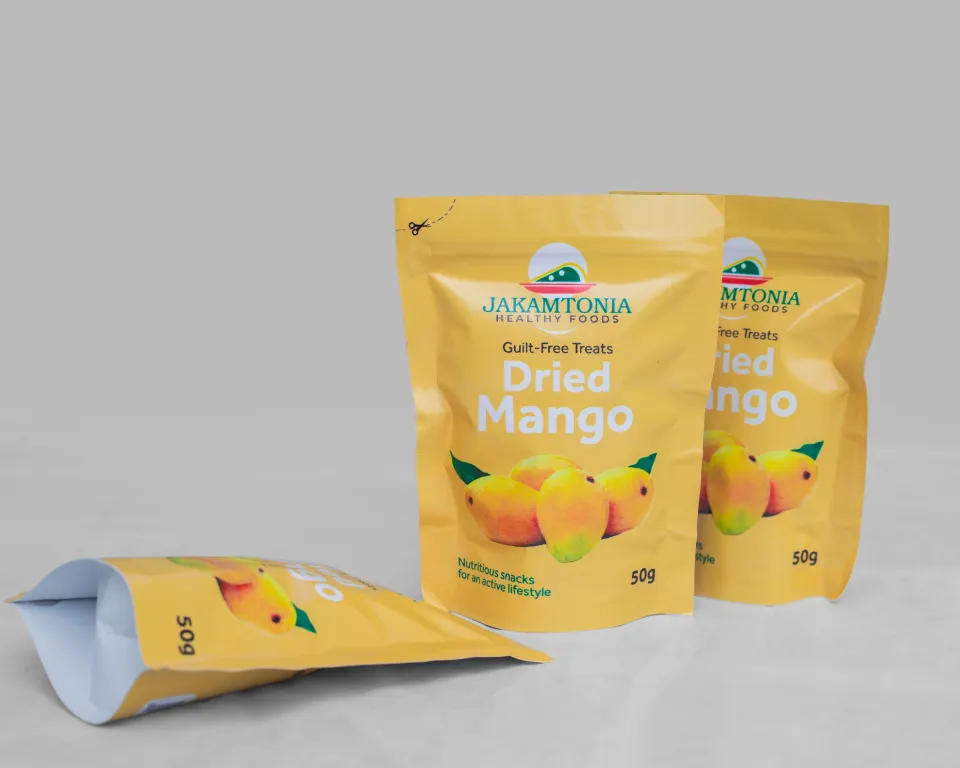
Fruits (in moderation): banana, pawpaw, mango
Well-prepared legumes
Yeast-Free Diet
Some parents believe that an overgrowth of yeast in the gut can worsen autism symptoms. The yeast-free diet eliminates foods that promote yeast growth, such as sugary foods and those containing yeast, to help restore balance to the gut microbiome.
Avoid: Sugary beverages, white bread, alcohol, baked goods
Eat more: Bitter leaf, garlic, ginger, onions, turmeric
GAPS Diet (Gut and Psychology Syndrome)
Developed by Dr. Natasha Campbell-McBride, the GAPS diet is designed to address gut health issues that are believed to contribute to conditions like autism, ADHD, anxiety, and other psychological disorders. The diet is based on the idea that healing the gut can have a profound impact on the brain and behavior.
Key Features:
Elimination of Processed Foods: Removes sugars, grains, and starches
Healing Foods: Bone broth, fermented foods, healthy fats, and meats
Phases: Starts with an introductory stage and gradually reintroduces foods as the gut heals
The GAPS diet aims to improve overall health by promoting a healthy gut microbiome, thought to have a direct impact on brain function and behavior. It’s often used for children with autism to help manage symptoms linked to gut dysbiosis.
Practical Tips for Implementing Autism Diet and Nutrition in Nigeria
Fortify Yourself with Knowledge
Keep learning about safe nutritional options. Understand harmful vs. helpful ingredients. Read labels. Observe your child’s response to food and adjust accordingly.
Local, Affordable Alternatives
Nigeria is home to a rich variety of gluten-free grains such as millet, sorghum, and rice. Shop local markets on market days for better prices. Buy in bulk. Join food-sharing groups for cost-effective variety.
Utilize local vegetables and fruits, which are naturally gluten- and dairy-free.
Ensure Adequate Nutrient Intake
When following GFCF or other restrictive diets:
Calcium: Ugu, okra, fortified plant milk, fish with edible bones
Protein: Beans, snails, lean meats, nuts, plant-based milk
Never begin a major diet shift without a healthcare provider’s input. Keep a journal of food reactions and behavioral changes.
Support from Local Health Professionals
Consult with Nigerian pediatricians and nutritionists experienced in autism diets. Future posts will explore support groups and organizations within Nigeria.
Key Nutrition Considerations for Autistic Children in Nigeria
Calcium and Protein Intake
Eliminating dairy may reduce calcium intake. Fortified plant-based milk, green leafy vegetables, and fish with bones are good alternatives.
For protein, rely on local sources like beans, legumes, eggs, and meats.
Professional Guidance
It’s essential to work with professionals who understand autism and nutritional needs. They can help ensure your child receives complete nutrition.
Cultural Sensitivity
Dietary changes must respect traditional Nigerian food culture. For instance, millet, sorghum, and acha can replace wheat-based foods.
Challenges Nigerian Parents Face with Autism Diet and Nutrition
Challenge Solution
Mealtime resistance: Introduce changes gradually and involve your child
Food selectivity: Offer alternatives similar in texture and taste
Nutritional gaps: Use local, whole food substitutes and consult dietitians
Social stigma: Join local autism communities and support networks
Conclusion: The Power of Autism Diet and Nutrition in Nigeria
The role of diet and nutrition in autism care cannot be overstated. By embracing the right dietary strategies, Nigerian parents can significantly improve their children’s behavior, cognitive abilities, and overall well-being. While there is no one-size-fits-all or “magic” diet for autism, a carefully tailored nutritional plan can make a profound difference.
With growing awareness around autism diet and nutrition in Nigeria, families are discovering that food can be a powerful tool in creating healthier, happier lives for their children.
Take Action Today:
- Introduce one gluten- or casein-free food today
- Consult with a pediatrician or dietitian
- Explore affordable local food swaps
- Keep learning, observing, and adjusting
Also read The Autism Diet Plan for Nigerian Children.
Read How to help with autistic picky eating.
Read Healthy Nigerian meals that fit sensory needs.
Read The dangers of junk food for a child with autism.
Read Financial Planning for Autism to learn how to allocate resources appropriately.
With patience, dedication, and the right nutritional strategies, your child with autism can thrive in a supportive, nurturing environment.
References
1. Sharon G, et al. The central nervous system and the gut microbiome. Cell. 2016;167(4):915-932. https://www.ncbi.nlm.nih.gov/pmc/articles/PMC6775481/
2. Whiteley P, Haracopos D, Knivsberg AM. Dietary interventions in autism spectrum disorders: why they work when they do. Autism. 2012;16(4):387-405. https://pubmed.ncbi.nlm.nih.gov/22311584/
3. Cytogens. https://eng.garmonia.ltd/cytogens
4. Mindfulness. https://www.pattybean.com/blog/categories/mindfulness
5. Autism and Diet. https://www.nutripanda.com/autism-and-diet
6. Mental flexibility – MicroDosing Academy. https://microdosingacademy.com/tag/mental-flexibility/
7. keto diet Archives - self-help-center.com. https://self-help-center.com/tag/keto-diet/
8. Why Am I Not In Ketosis - Top 10 Keto Products. https://top10ketoproducts.com/why-am-i-not-in-ketosis/
9. Ljung, K. (2006). Metals in urban playground soils. https://core.ac.uk/download/11695048.pdf
10. Marks, B. L. (2002). Cognitive Function: Its Relationship with Functional Status, Fitness, and Vascular and Cerebral Blood Flow. Topics in Geriatric Rehabilitation. https://doi.org/10.1097/00013614-200206000-00005
11. data | PeteNetLive. https://www.petenetlive.com/KB/Article/tag/data?amp=1
12. How Your Diet Affects Kidney Health | Balboa Care • Nephrology • Research • Enterprise • United. https://balboacare.com/how-your-diet-affects-kidney-health/
13. Mental flexibility – MicroDosing Academy. https://microdosingacademy.com/tag/mental-flexibility/
Stay Informed & Empowered!
Subscribe to our newsletter and receive valuable insights, expert advice, and real-life stories about autism parenting—right in your inbox.
Autism Parenting in Nigeria is your trusted online resource, dedicated to empowering parents and caregivers of autistic children with practical advice, emotional support, and culturally relevant solutions.
Download Our Guide

Dr. Chisom Pascaline, MBBS, IBCCES Certified Autism Specialist (CAS), is a medical doctor, autism specialist, and founder of Autism Parenting in Nigeria - A widely accessed autism education platform serving thousands of families monthly, trusted across Africa.
She has been a guest contributor to BellaNaija, Lagos Mums, Exceptional Needs, and Health Guide Nigeria, and has been recognized and featured by The Sun Nigeria for her...